Image
Advancing Theodore Roosevelt’s legacy so wildlife and people thrive together
Theodore Roosevelt Presidential Library
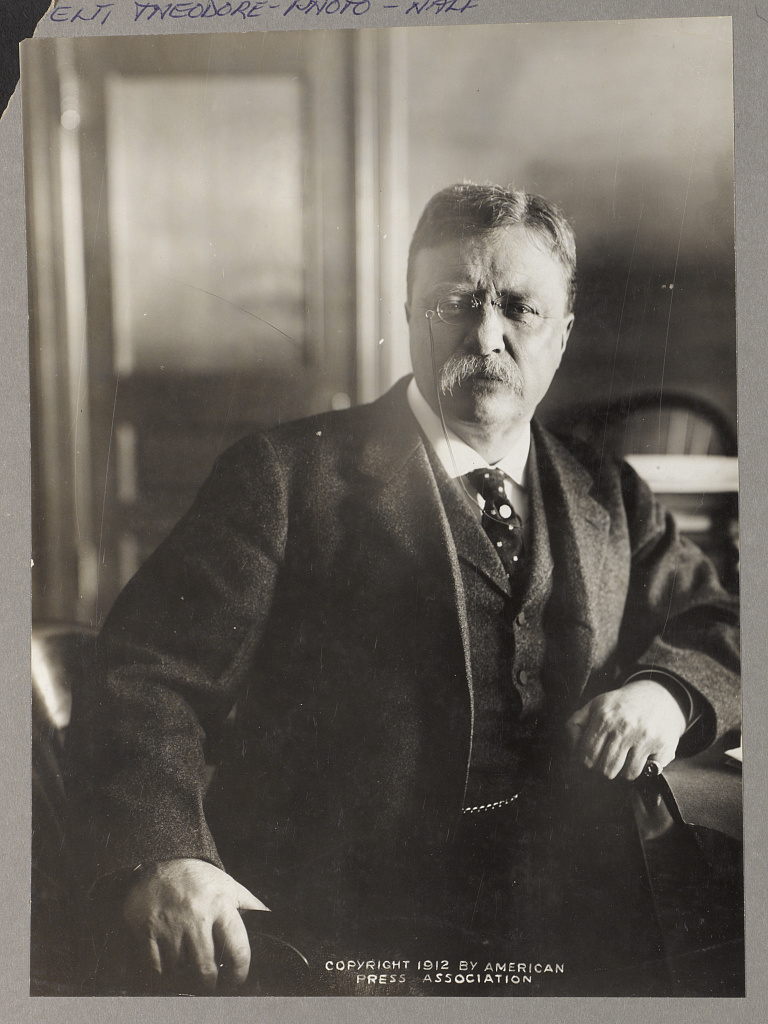
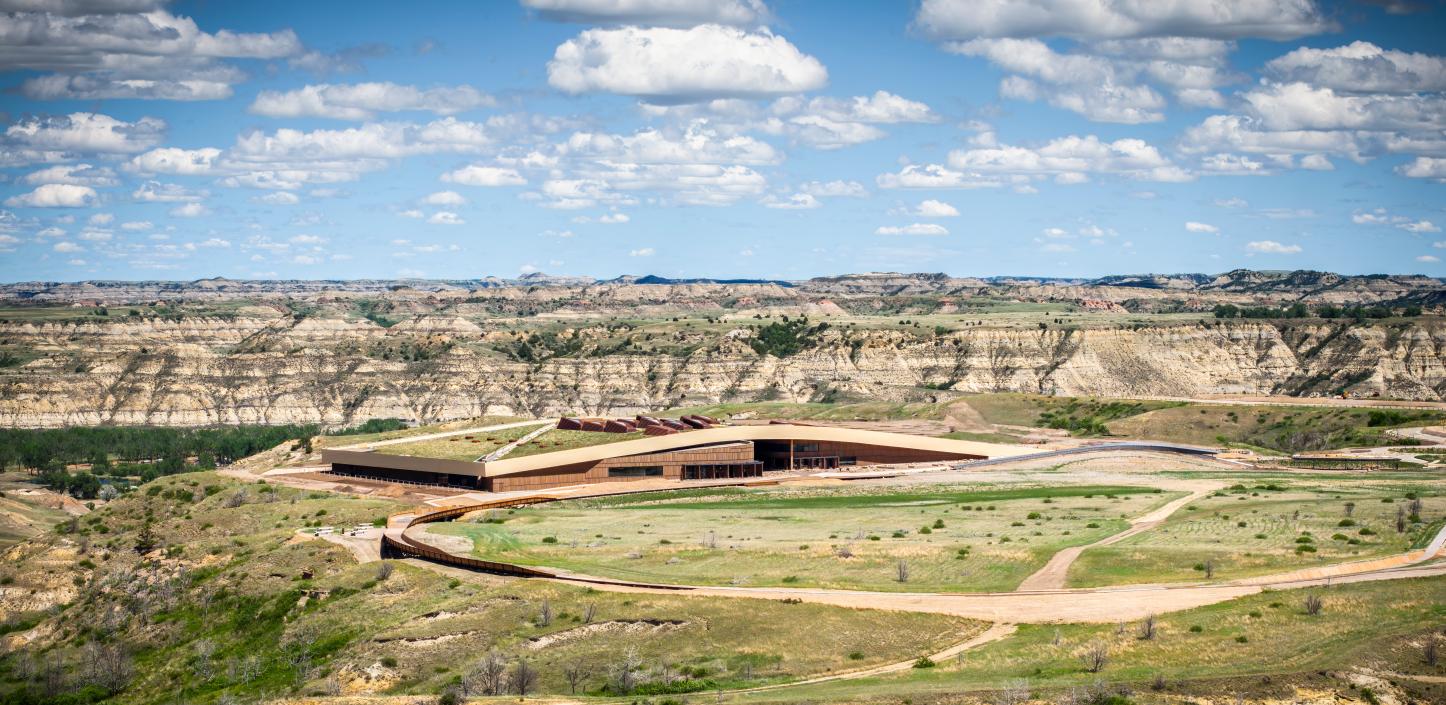
National leaders are gathering this week to celebrate the grand opening of the Theodore Roosevelt Presidential Library, a new cultural institution in the rugged Badlands of western North Dakota – a landscape that shaped one of our nation’s most iconic presidents and served as the cradle of wildlife conservation as we know it today.
Opening on July 4, the 96,000-square-foot Presidential Library offers visitors an immersive journey into Roosevelt’s life and legacy, including his lifelong fascination with wildlife, the outdoors and conservation.
At the heart of the experience are more than 40,000 square feet of immersive exhibits that carry visitors through Roosevelt’s life, from his boyhood collections to his presidency and beyond. A 300-seat auditorium, dedicated classroom and education spaces, and gathering areas support public programming, school groups, lectures, and civic events year-round.
The 93-acre campus is part of the visitor experience — a 0.6-mile boardwalk through restored prairie, a walkable green roof that merges into the surrounding butte, outdoor classrooms and sky pavilions, and direct connections to the Maah Daah Hey Trail and to Theodore Roosevelt National Park itself.
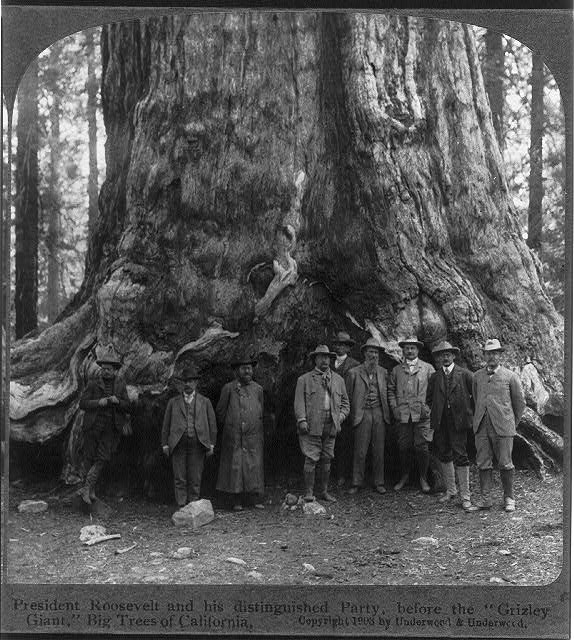
Widely considered a titan of wildlife conservation, Roosevelt placed 230 million acres of American land under federal protection, created five national parks, signed the Antiquities Act, established the first federal bird reservations, and inaugurated a wildlife-management ethic that persists in American law.
In 1905, Roosevelt created the U.S. Forest Service with Gifford Pinchot as its first Chief Forester. Working together, Roosevelt and Pinchot popularized the term “conservation.” Their focus on the wise use of natural resources has shaped U.S. conservation efforts ever since.
In 1907, Roosevelt declared: “The conservation of natural resources is the fundamental problem. Unless we solve that problem it will avail us little to solve all others.”
The conservation ideals forged and championed by Theodore Roosevelt helped ensure prosperity for the growing nation while also sustaining wildlife populations and natural landscapes for the generations to come. Advancing conservation so that both people and wildlife thrive together has served as a core principle and mission at the National Fish and Wildlife Foundation (NFWF) since its founding in 1984.
Over the past four decades, NFWF has played a vital role in advancing the science and practice of modern conservation, and in steering precious dollars to boots-on-the-ground projects that generate measurable results for wildlife and people. NFWF has supported more than 23,900 projects by more than 7,200 organizations, leveraging federal funds and grantee matching contributions to generate $12 billion in cumulative impact.
The work NFWF supports would make Theodore Roosevelt proud.
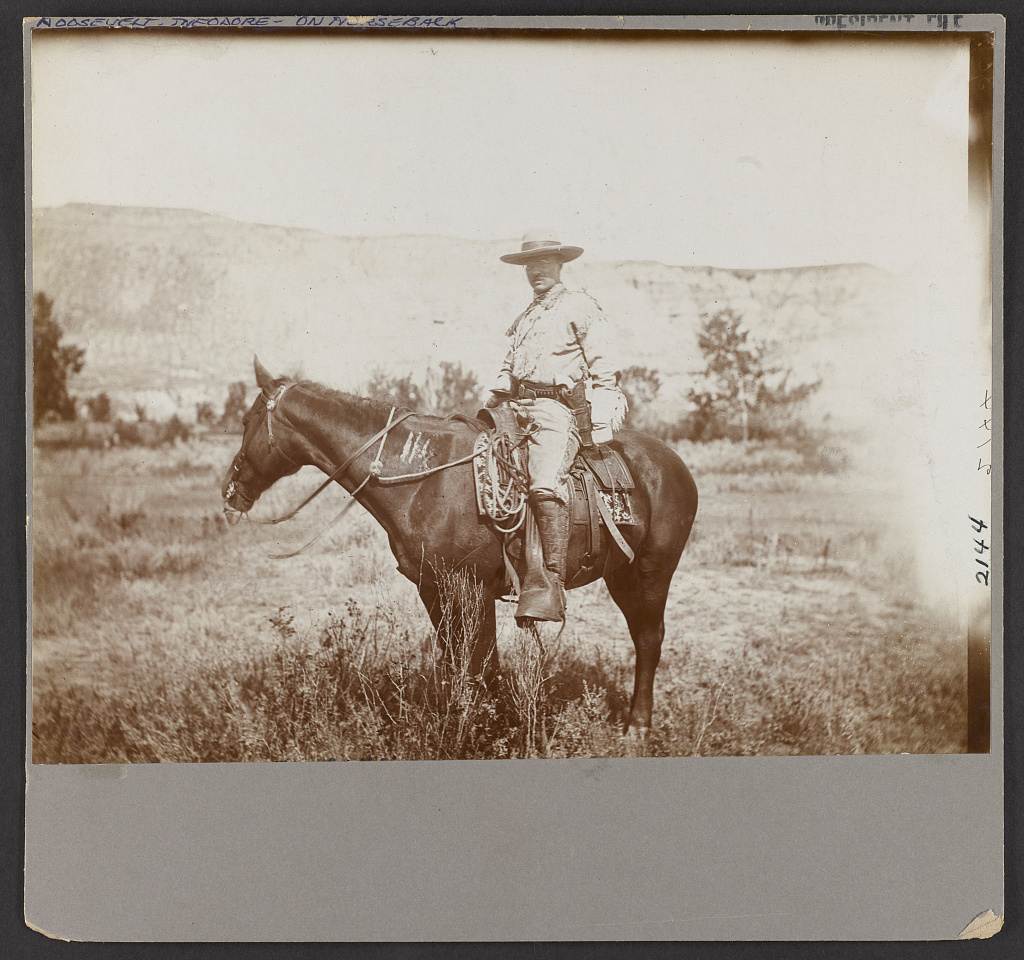
Across the nation’s immense grasslands, NFWF supports voluntary conservation efforts by ranching communities – a world Roosevelt knew and loved, as a rancher, himself.
Across the Northern Great Plains, where Roosevelt spent formative years, NFWF supports the conservation of wildlife habitats that benefit pronghorn, mule deer, bison, grassland birds and countless other wildlife that captured his imagination.
Roosevelt’s lifelong and legendary fascination with birds (and his opposition to the destructive plumage trade) led him to create protections for coastal rookeries vital to population recovery for pelicans, herons and egrets. Today, NFWF supports projects to restore Gulf Coast habitats damaged by an oil spill and conserve our nation’s rich coasts and shorelines, home to our nation’s highest densities of bird life.
NFWF also shares Roosevelt’s passion for outdoor recreation and public access to our nation’s natural wonders. Working with a variety of private- and public-sector partners, NFWF manages programs designed to conserve landscapes and create new opportunities for outdoor recreation and reconnect and enhance migration corridors for Western big game species.
These and other conservation investments made by NFWF will build on strong foundation built by Theodore Roosevelt and other visionaries of his day. Working together, we will continue to honor, strengthen and expand his conservation legacy.