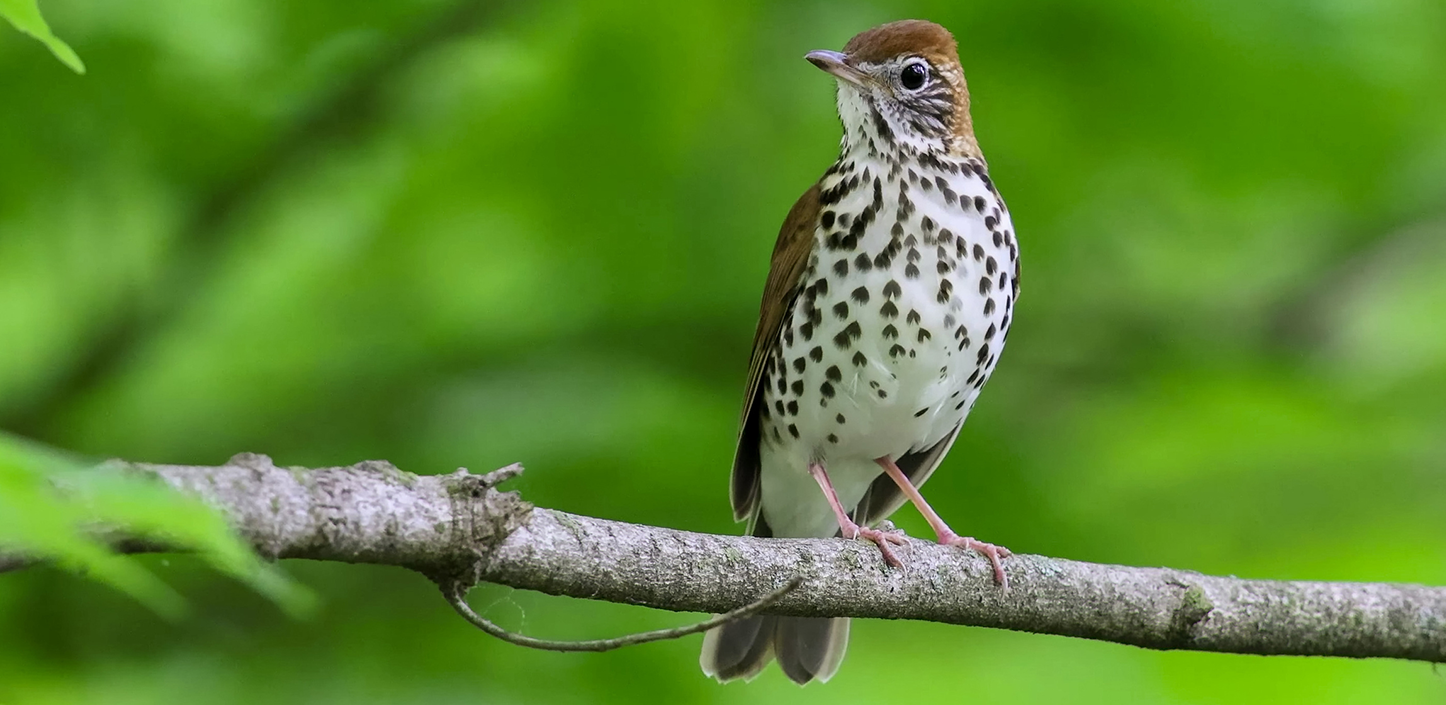
Wood thrush
Image

Restoring forests to give Appalachia’s former mine lands a second life
Prairie warbler
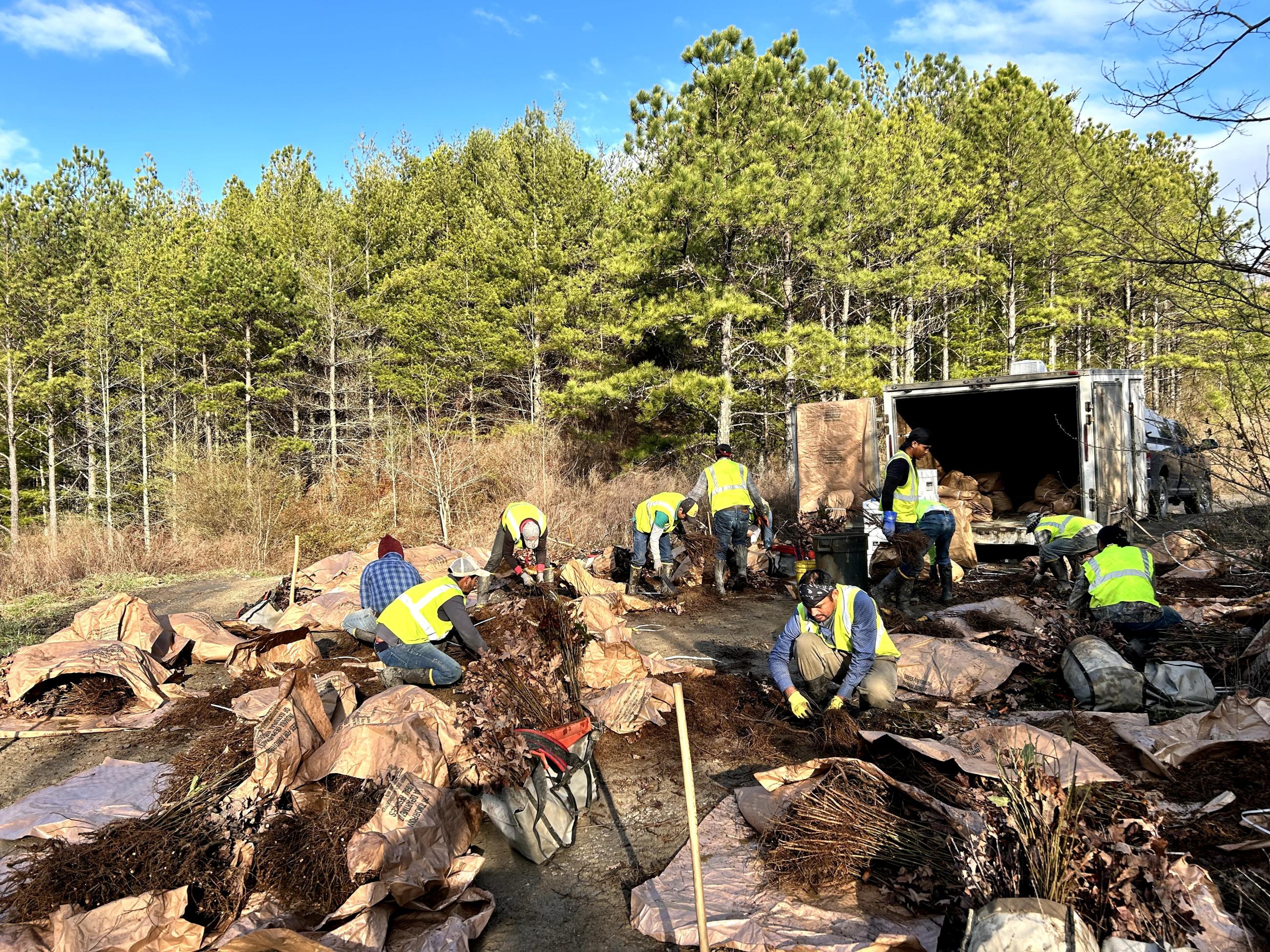
On a breezy morning in the Cumberland River basin, a bright tape loops across the ground while two field techs tally saplings. Counting sounds like roll call: “Oak! Pine! Cherry!” Each young tree earns a shout and a tally marking a forest that wasn’t here last year. On land that once fueled local economies through coal mining, those tallies now mark the beginning of a new chapter for both people and wildlife.
Once mined for coal hiding underneath the hills, these lands now have a new role to play as healthy forests that protect water, wildlife and nearby towns.
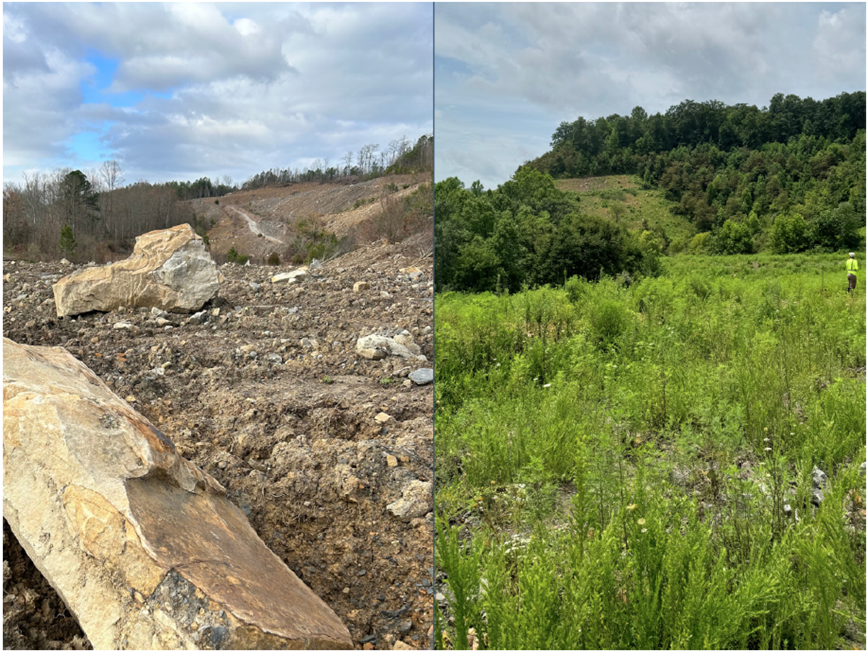
After mining is complete, the site is reclaimed, with crews reshaping the hill and planting grass, but the process leaves the upper layers shaken and compacted. Compacted soils are tight like a pressed sponge, so roots can’t push down, and water can’t sink in. When it rains, droplets skitter across the hard-packed surface in wide sheets, rushing downhill toward the creek (or in some cases, the towns). Only a few native trees will manage to hang on, causing fast-spreading invasive plants to fill the gaps.
The Appalachian region is among the most biologically diverse places on the planet for freshwater species, but runoff carries sediment and heat into streams, which compromises water quality and the health of species like mussels and hellbender salamanders. Reforestation of previously mined lands flips that script. When crews prepare the ground to relieve compaction, using heavy-duty tillage, and plant native trees, the soil starts acting like a sponge again, soaking and slowly releasing water. As canopies grow, leaves soften raindrops and roots draw water into the soil, cooling and clearing flows downstream. These changes extend beyond the forest, and contribute to cleaner drinking water, reduced flooding and erosion, and streams that support recreation and community pride. Healthy forests also store carbon, helping to reduce the amount of CO₂ in the atmosphere while providing more food and shelter for wildlife.
This is what the Cumberland River Compact and many NFWF partners are doing to recover forests across Kentucky, Tennessee, West Virginia and Pennsylvania, restoring tens of thousands of acres of previously mined land, helping stitch together an important migratory corridor for plants and animals and giving species more places to thrive along the Cumberland Plateau. When healthy forests return, so do many game species, providing new opportunities for local communities to enjoy recreation and sustain themselves from the lands that have often been their home for generations.
“The community feedback has been overwhelmingly positive,” says Meagan Hall, development and communications director at Cumberland River Compact. “Everyone wants to see the land thriving and to see the positive role it can play in the community and environment again. When we restore a site and watch the trees, birds and streams bounce back, that’s a win for everyone. The plants, the animals and the people all benefit.”
With support from NFWF’s Cumberland Plateau and Southern Appalachian Stewardship Fund, the Compact restored several hundred acres of previously mined land in the basin, creating habitat for aquatic species, birds, and pollinators while improving water quality for people downstream.
And that’s just one piece of a larger, shared effort. Over the last few years, NFWF and partners including International Paper, Bezos Earth Fund, Altria Group, USDA Natural Resources Conservation Service and U.S. Fish and Wildlife Service have provided critical funding to organizations working to restore formerly mined lands across the region, turning once-disturbed slopes into working forests again. Each project adds up, transforming fragile ground into resilient, working forests that support people and wildlife for generations to come.
For example, at Hurricane Ridge in East Tennessee, the Compact’s efforts to reforest previously mined land produced about 790 trees per acre just months after planting, including “bonus” native trees that sprouted once the soil could breathe. Each of those seedlings represents future shade, future habitat and future carbon stored back in the land instead of the atmosphere.
Local Work Matters
At its core, this really is a neighbors and nature story. From Kentucky to Tennessee, former mine land restoration projects bring together local groups, conservation organizations, and on-the-ground crews who know these ridges best. The Cumberland River Compact, Green Forests Work, and other partners lead fieldwork, while efforts from The Nature Conservancy’s Cumberland Forest Project help connect individual sites across the landscape. Contractors such as Mountain Ridge, LLC and Williams Forestry handle ripping, seedlings and planting, and NFWF supports and tracks results alongside public and private partners. It takes partners believing in the same mission to make real change. Dozens of local contractors, foresters and nursery workers are part of that mission too, bringing home paychecks tied directly to healing the land.
These new forests don’t just look good, they work. Warblers, wood thrush and pollinators find cover. While below in the creek, trout, mussels and hellbenders get cooler, cleaner water. And for the more than 3 million people who live in the basin, it means safer drinking water. Restoration dollars also mean local jobs and trade skills that support Appalachian communities. The benefits reach far beyond the tree line: site preparation and planting create local jobs, restored lands support sustainable forestry opportunities, and healthier forests help tackle water pollution and address steep bird population declines by rebuilding the habitat those birds depend on.
For nearby communities, the change is visible and personal with fewer muddy streams after storms, more songbirds in the spring, and hillsides that feel like home again instead of forgotten, bare ground.
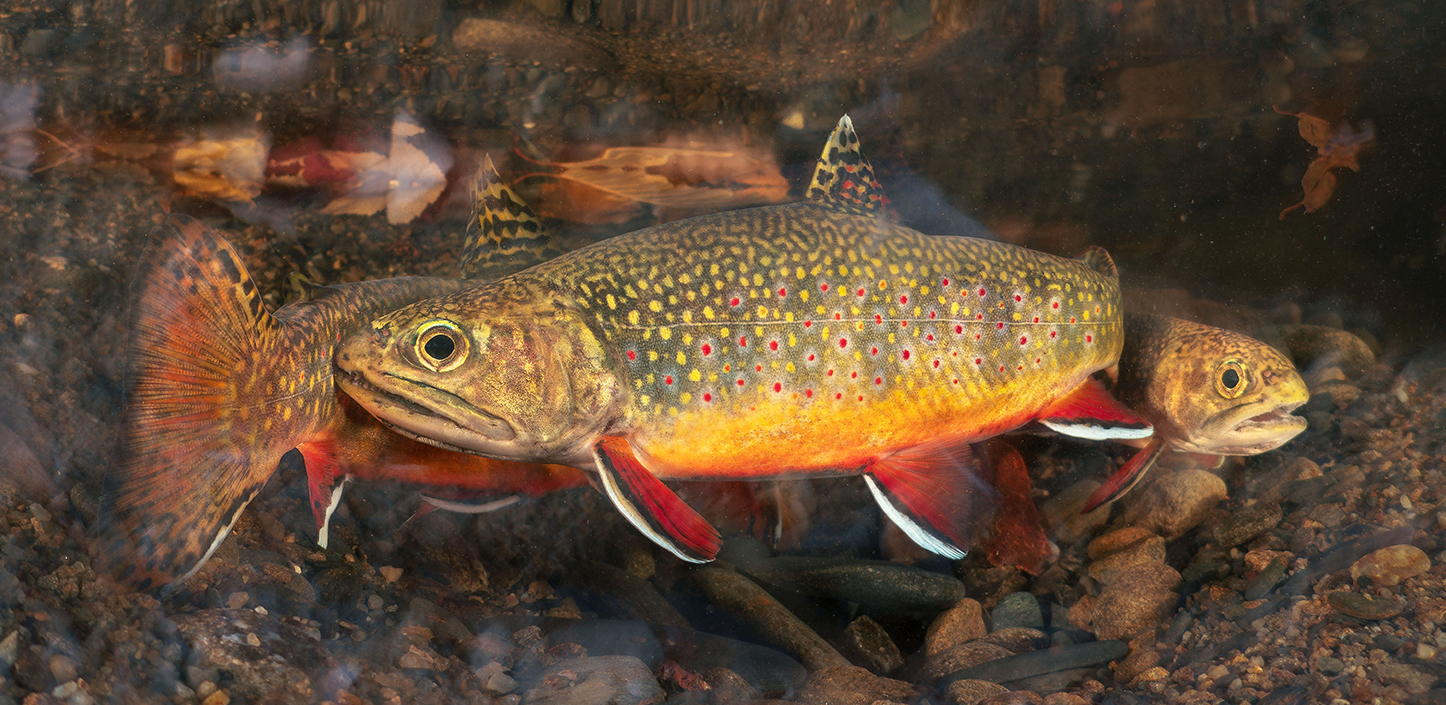
Brook trout
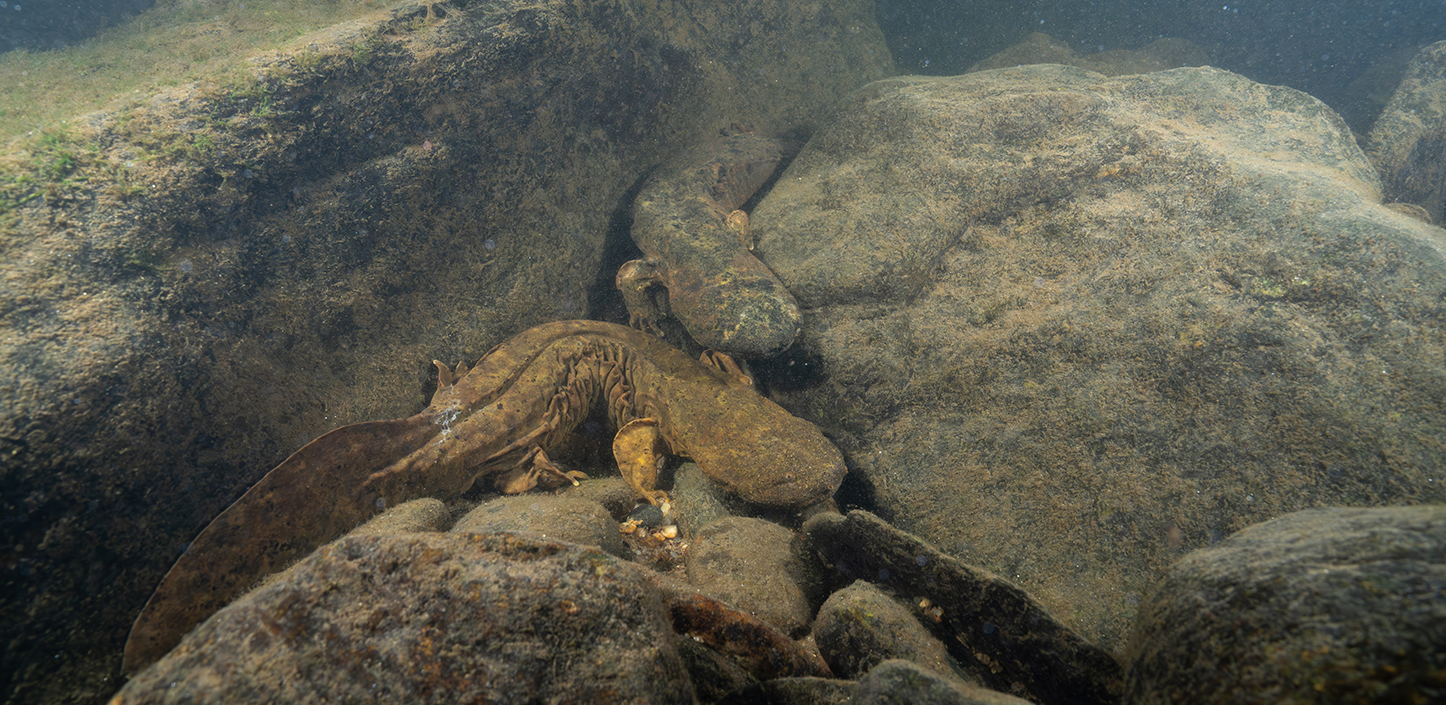
Eastern hellbender
Part of a Bigger Effort
Working with grantees like the Cumberland River Compact, Green Forests Work, The Nature Conservancy, and many local organizations, the Cumberland Plateau and Southern Appalachian Stewardship Fund is helping communities rebuild healthy forests.
There are currently 15 projects underway across four states to restore more than 46,000 acres of former mine lands to become productive forests again, filtering drinking water, stabilizing soils, and providing food and shelter for wildlife.
But the land does not change overnight. It takes time for seeds to germinate, saplings to take hold, and roots to weave through the soil. You might start to see the beginnings of a forest in a few years, but it takes much longer before you walk beneath tall, thriving trees.
That is why it is so important to be doing this work now, so partners can restore these lands and then let nature do its part. Together, we are building momentum. One ridge at a time, the Cumberland is getting its shade back.