BDA structure constructed by the Kawuneeche Valley Restoration Collaborative (KVRC) in collaboration with Northern Water in 2024. Photo credit: KVRC
Image
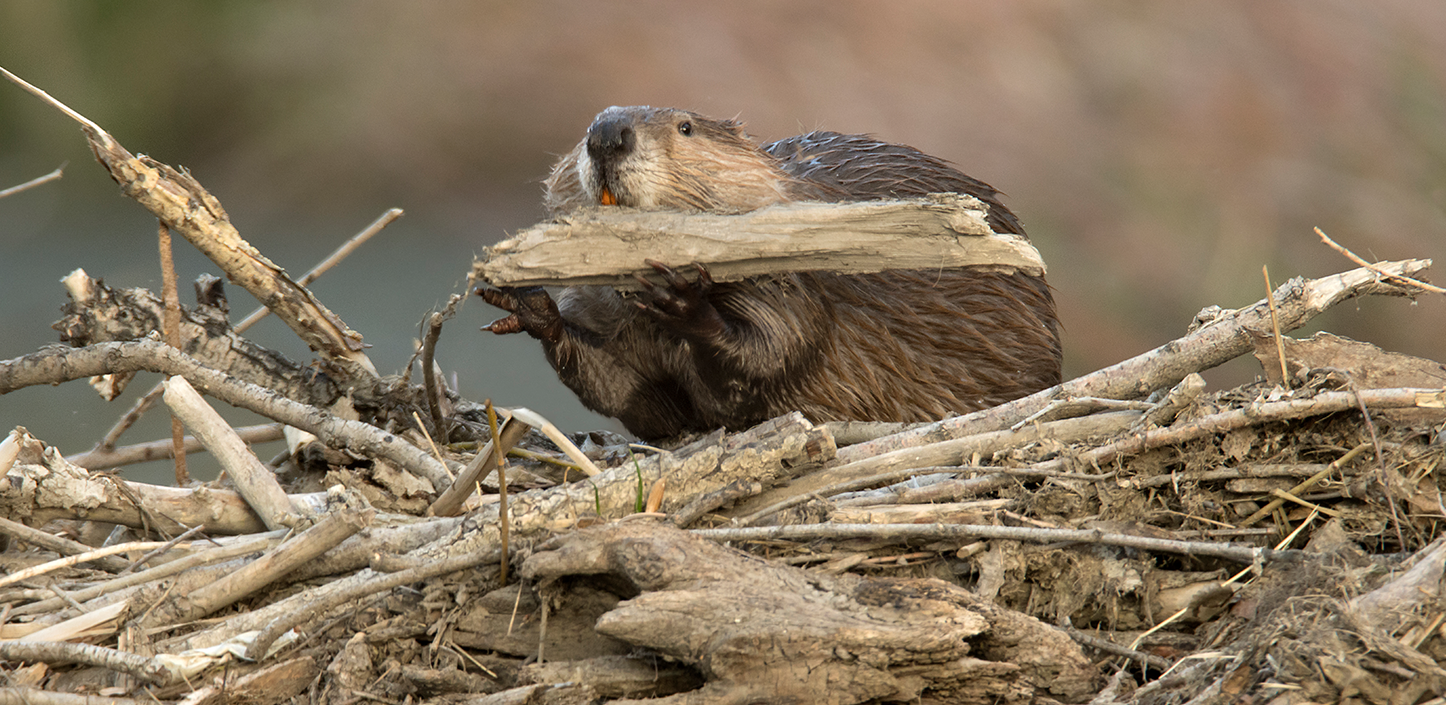
Restoring watersheds, one beaver dam at a time
Beaver in Colorado
In the arid landscapes of the western United States, water is everything. Streams can be few and far between, but they support a diverse array of wildlife, sustain working lands, recharge groundwater and provide a buffer against the negative effects of drought and wildfire. Yet many of the rivers and wetlands in the West have become increasingly vulnerable as prolonged drought, altered fire regimes and decades of habitat degradation strain already limited water resources.
Enter one of the region’s most effective restoration partners: the North American beaver.
Often called an “ecosystem engineer,” beavers can transform landscapes in ways that other animals can’t. By building dams and creating ponds, they can keep water on the landscape for longer, which helps raise water tables and allow streams to flow later into the summer and reduces the effects of drought. Beaver complexes also improve nutrient retention, and can even serve as natural fire breaks during wildfires. And their work benefits other species, too. A single beaver colony can turn a narrow channel into a network of ponds and wetlands that support countless fish, mammals, birds, amphibians and plants, in addition to providing water for livestock, increasing the resilience and productivity of ranches and farms.
The need for this kind of natural infrastructure is rooted in the loss of beavers and wetlands across North America. Intensive trapping for the fur trade dramatically reduced beaver populations in the 19th and early 20th centuries, leaving many streams without the dam-building activity that once helped sustain wetland ecosystems. At the same time, wetlands themselves have continued to disappear. The lower 48 states have lost 50 percent of their wetlands, down to around 100 million acres from an estimated high of more than 220 million acres in the 1600s. These losses are especially consequential in the arid West, where wetlands and riparian areas make up less than 2 percent of the land area in the Intermountain West but support more than 80 percent of the region’s wildlife species. Although beavers have rebounded from their historic lows, many of the watersheds they once helped shape remain degraded, disconnected and less resilient to environmental stressors.
This is why conservation practitioners are increasingly “thinking like a beaver” and relying on low-tech process-based restoration (LTPBR) approaches. These techniques—including beaver dam analogs (BDAs) and post-assisted log structures (PALS)—mimic the function of natural beaver dams using simple materials like wood posts and willow branches. Often, these structures are designed not just to restore habitat on their own, but to make a stream attractive enough that beavers move back in and take over the work themselves.
Through programs such as RESTORE Colorado and Southwest Rivers Headwaters Fund, NFWF is supporting efforts across the West that restore wetlands, reconnect floodplains and, in some cases, help bring beavers back to places where they have long been absent.
One example can be found in Colorado’s Kawuneeche Valley near the headwaters of the Colorado River.
Historically, beavers helped maintain extensive wetlands throughout the valley. But as beaver populations declined, the overall ecosystem shifted from wetlands to grasslands and contributed to a loss of surface water, increased erosion and declining habitat quality.
To address this decline, the Northern Colorado Water Conservancy District used a $300,000 grant awarded through the RESTORE Colorado Program to attract beavers back to the Kawuneeche Valley and help reverse the ecological and hydrological degradation that has occurred in their absence. The effort involved restoring floodplain habitat, improving stream function, removing invasive vegetation and installing 29 beaver dam analogs. The project not only helped improve the quality and quantity of agricultural and drinking water, it also serves as a vital investment in water availability for future generations.
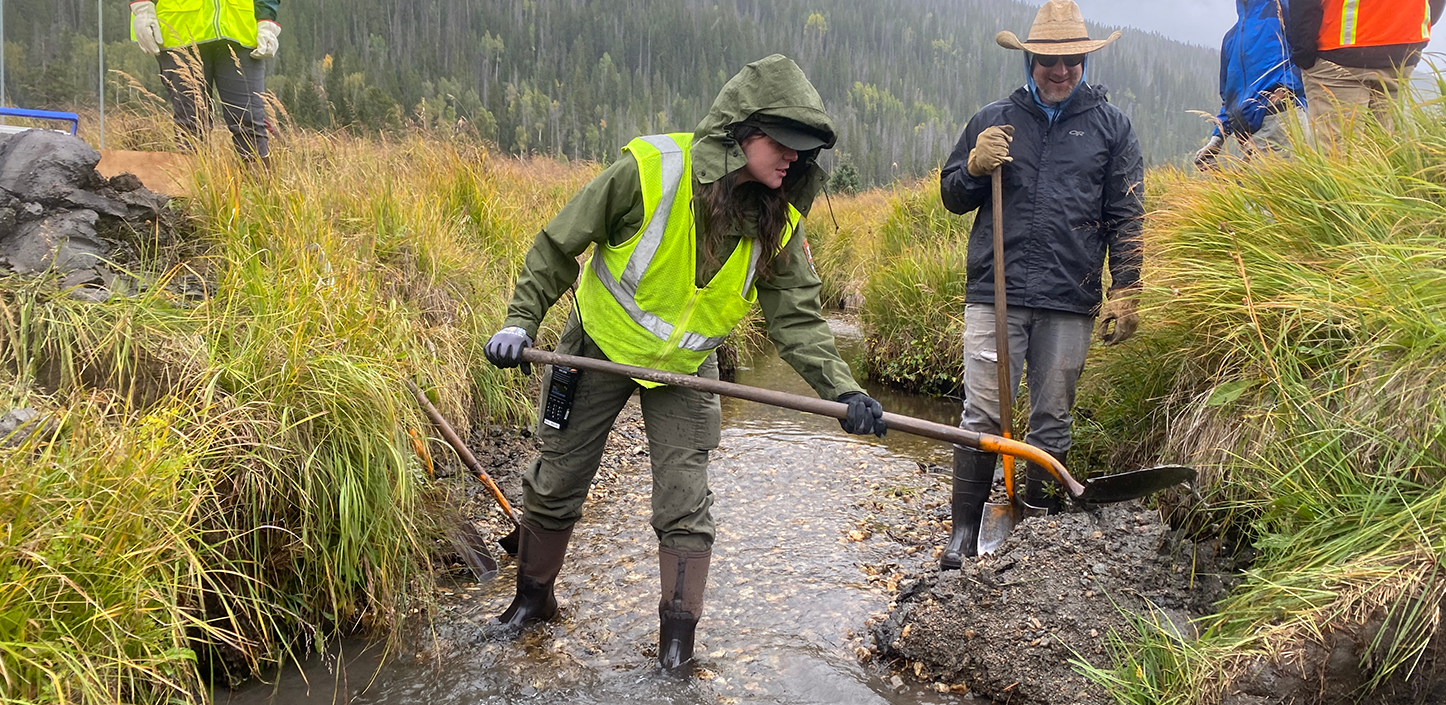
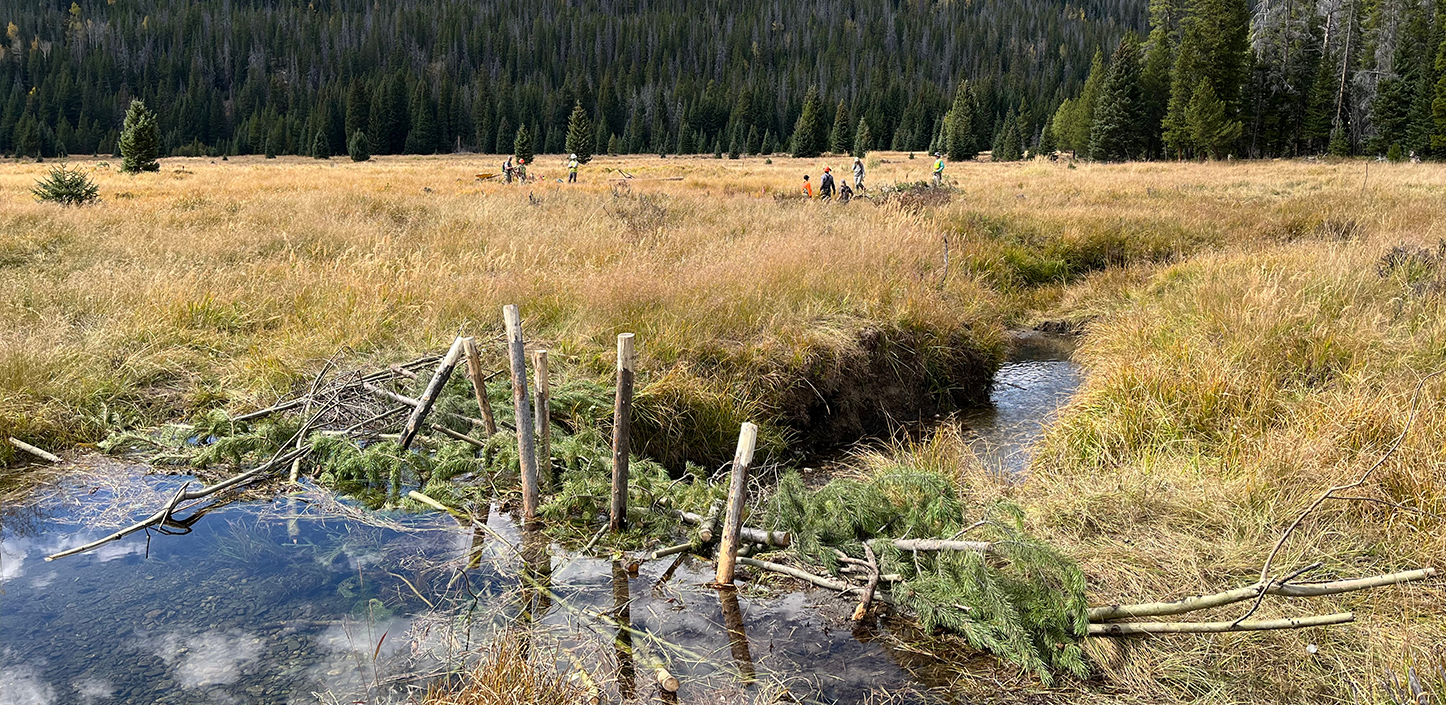
BDA structure constructed by the Kawuneeche Valley Restoration Collaborative (KVRC) in collaboration with Northern Water in 2024. Photo credit: KVRC
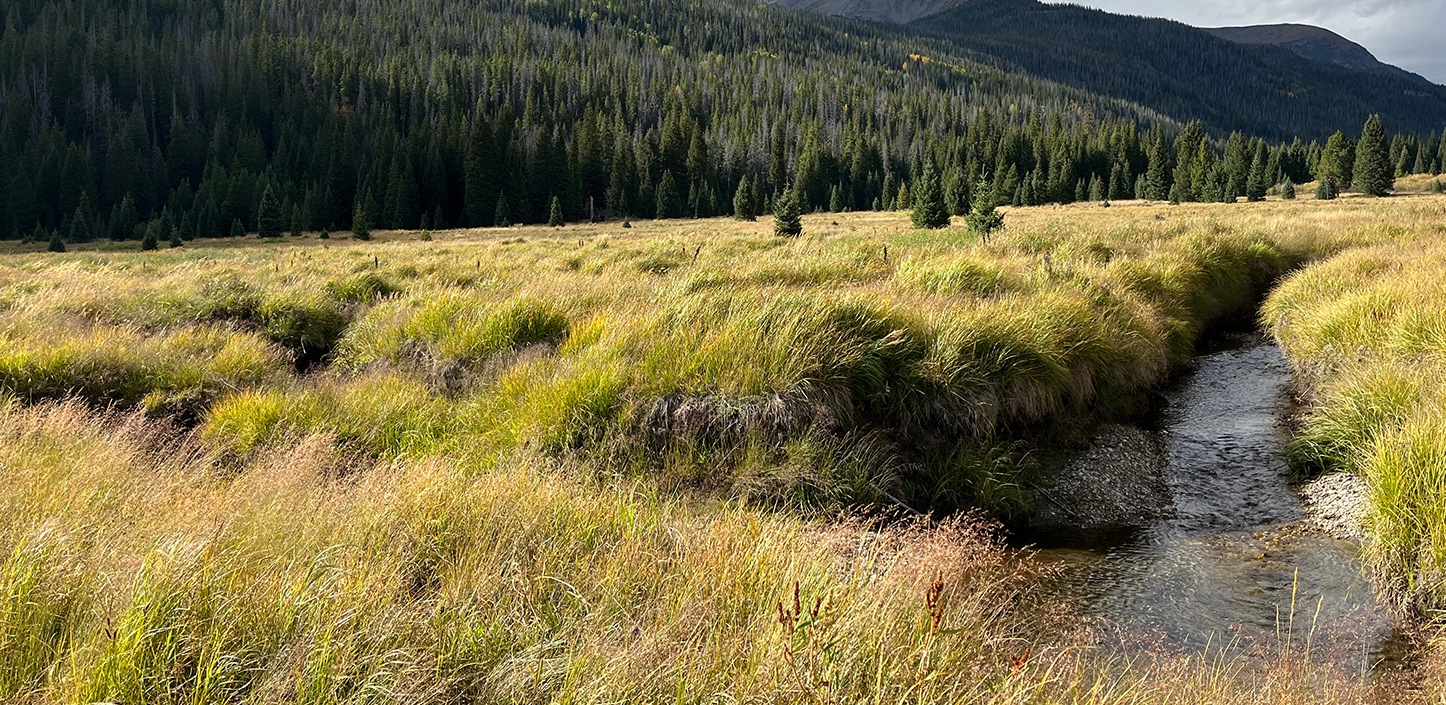
View of Beaver Creek in the Kawuneeche Valley before restoration. Photo credit: KVRC
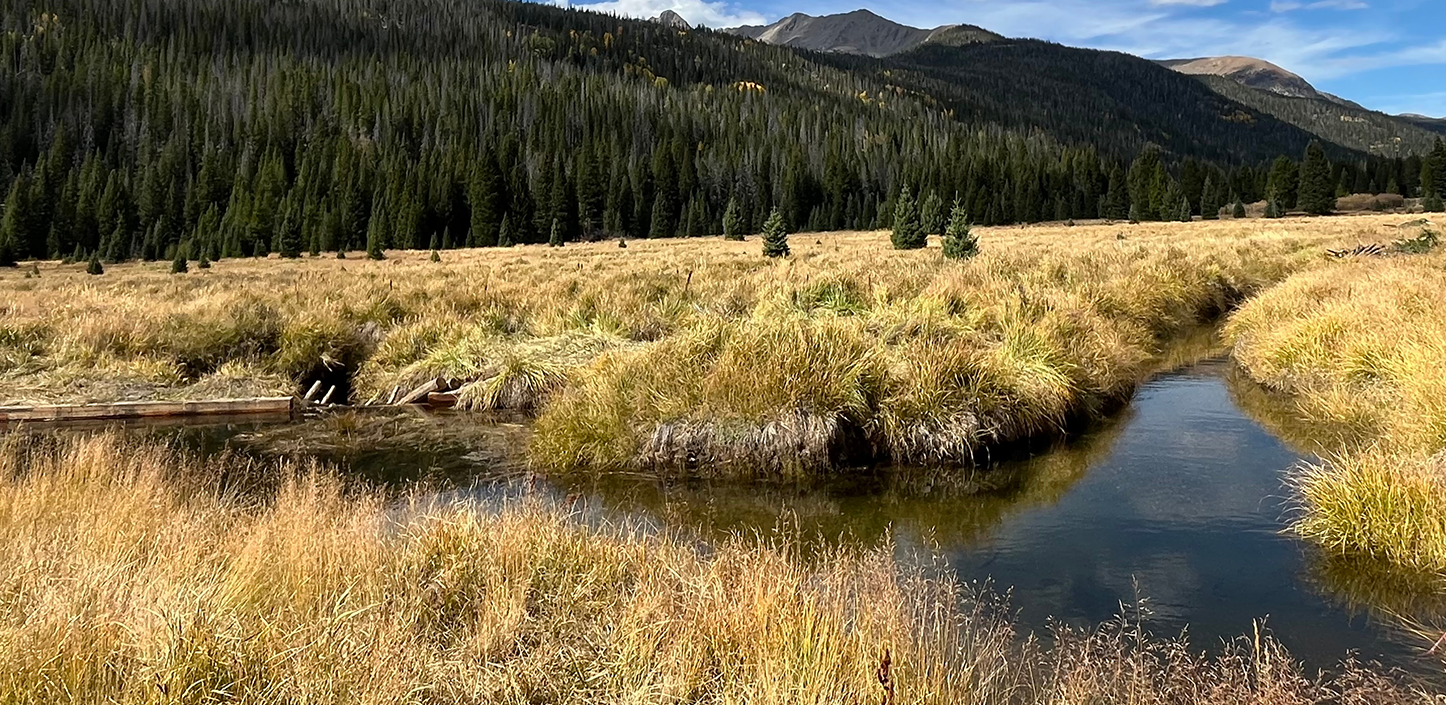
View of Beaver Creek in the Kawuneeche Valley after restoration. Photo credit: KVRC
But in some watersheds, improving habitat conditions is only part of the solution. Beavers themselves must return.
In Colorado’s Rio Grande National Forest, NFWF is supporting a collaborative effort led by the Colorado Rio Grande Restoration Foundation with Rio Grande National Forest staff, to pair process-based restoration with direct beaver reintroduction. The project is improving 18 miles of stream habitat and restoring hundreds of acres of riparian areas while reintroducing 24 beavers to suitable sites. Improved floodplain connectivity, healthier riparian vegetation and enhanced aquatic habitat will support other native species, including Rio Grande cutthroat trout and Rio Grande sucker, while helping establish new beaver populations capable of sustaining restoration gains over the long term.
And along Arizona’s Lower Babocomari River, a tributary of the San Pedro River, Watershed Management Group and its partners combined community-based beaver monitoring with on-the-ground restoration. Aided by a grant from NFWF’s Southwest Rivers Program, volunteers constructed 17 beaver dam analogs along a quarter-mile stretch of creek while expanding surveys to better understand local beaver populations.
The results were encouraging. Just one year after installation, water levels remained higher than the previous year despite drier conditions. The beavers have taken notice, too: two recently moved into the area and built five additional dams just upstream of the restoration structures, a strong early sign that the habitat is once again suitable for the species that shaped it.
That outcome reflects the broader goal of many NFWF-supported wetland restoration projects: restoring the natural processes that allow watersheds to heal themselves.
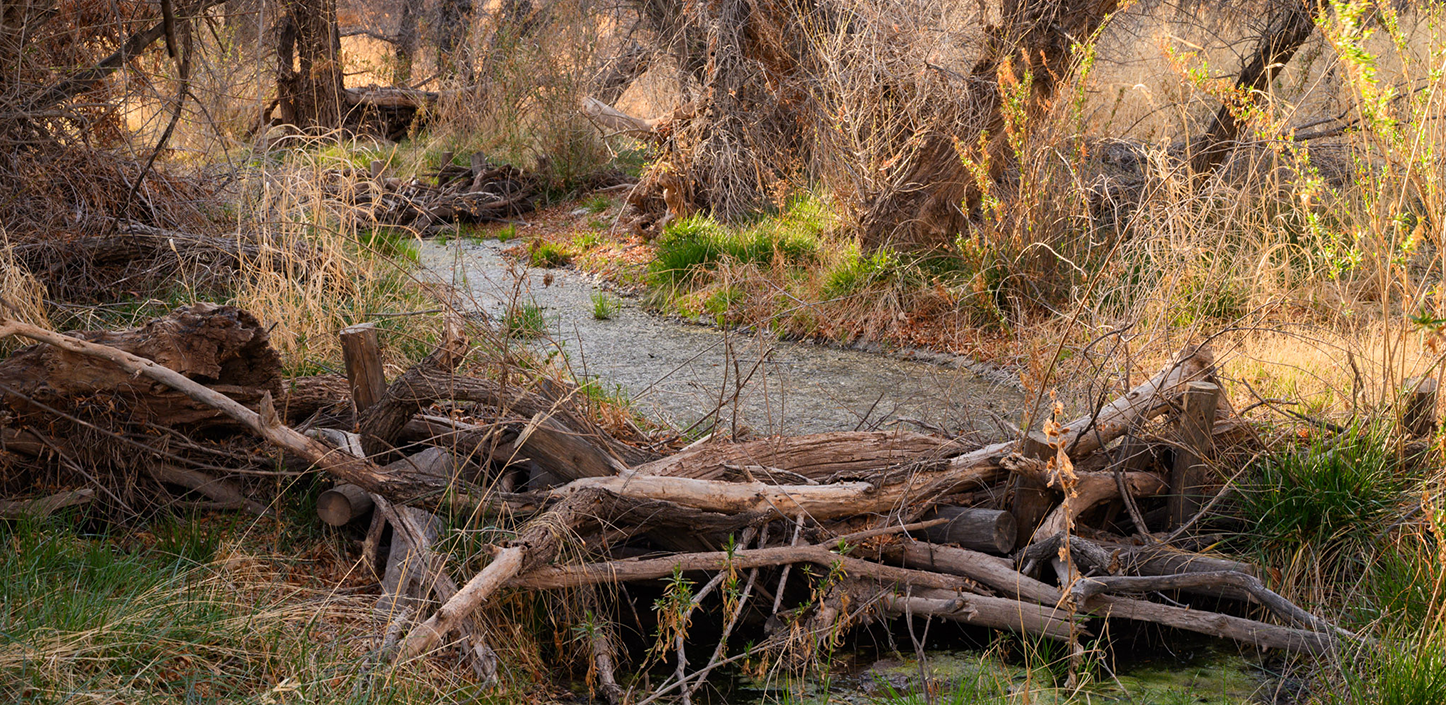
A BDA constructed by Watershed Management Group and its partners. Photo credit: Julius Schlosburg / Watershed Management Group
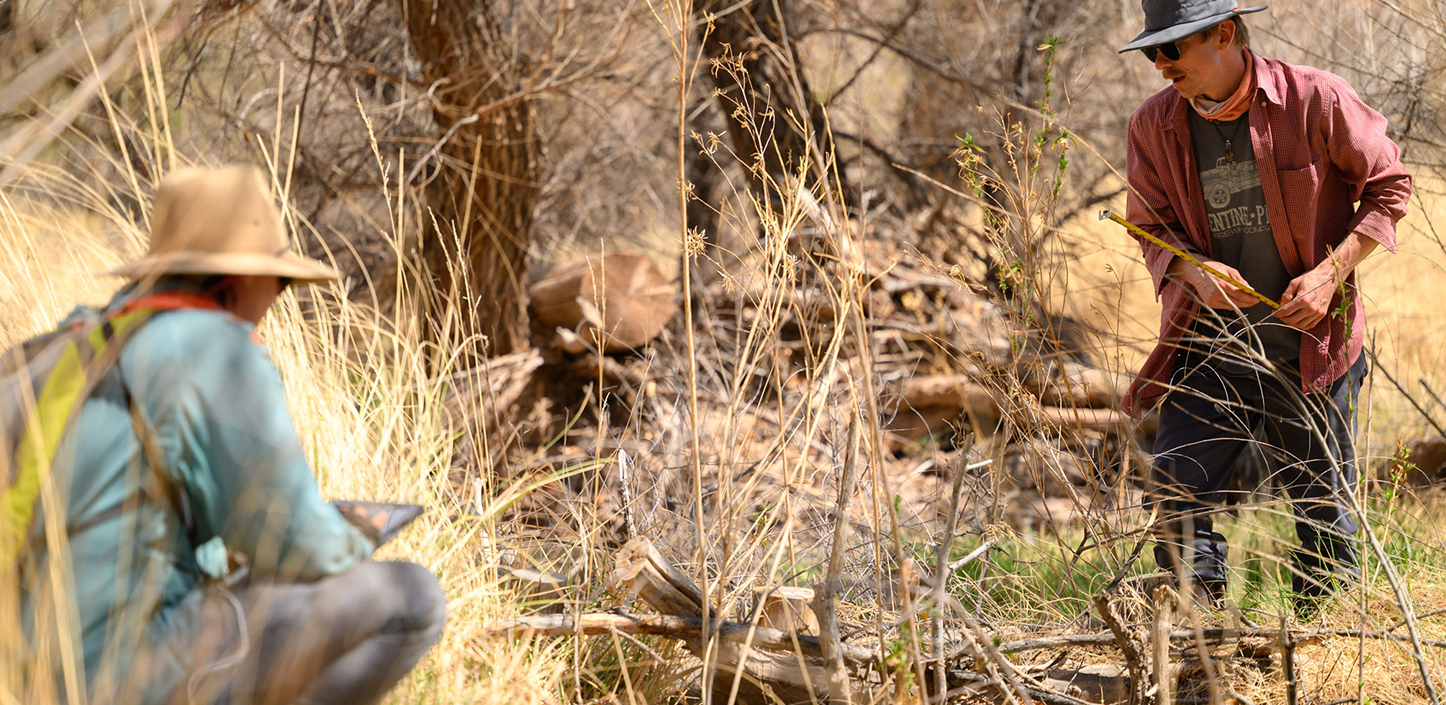
A BDA constructed by Watershed Management Group and its partners. Photo credit: Julius Schlosburg / Watershed Management Group
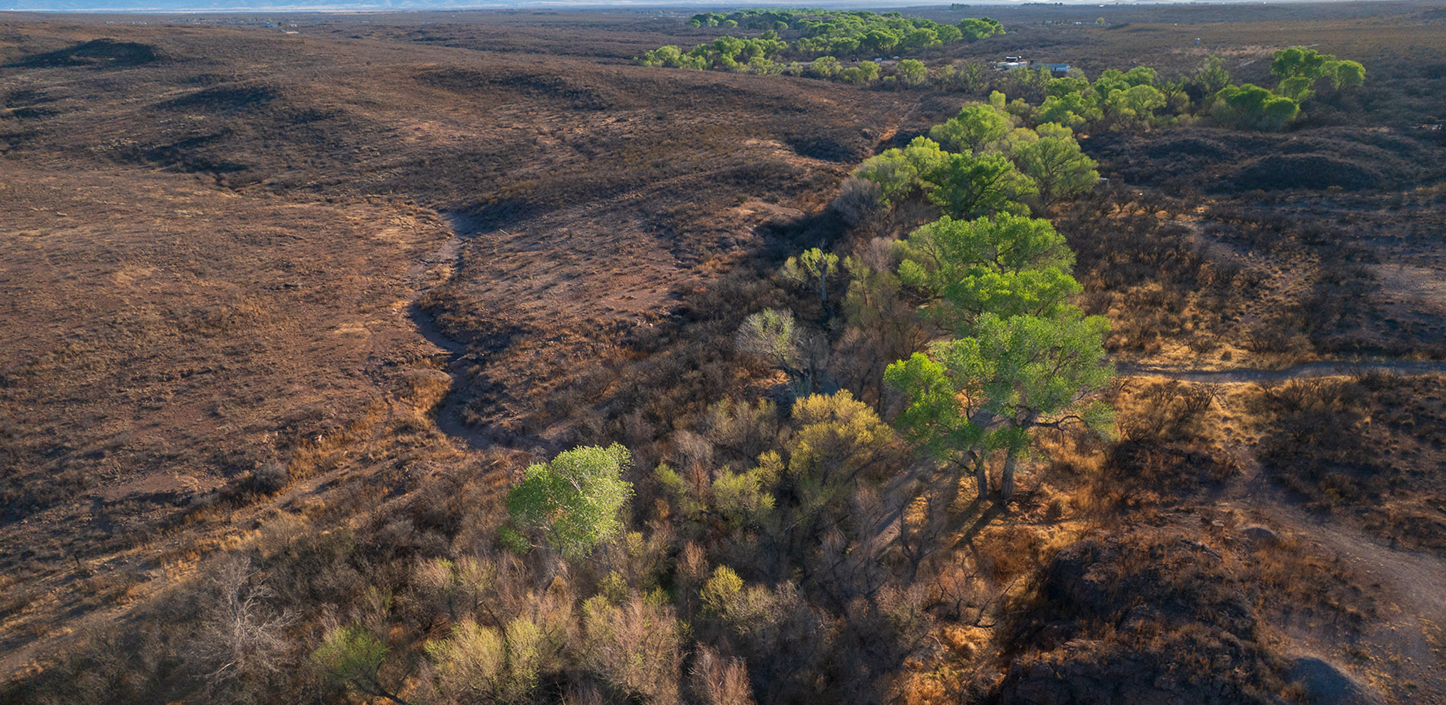
The project increased water levels, expanding the riparian forest and the wildlife it supports. Photo credit: Julius Schlosburg / Watershed Management Group
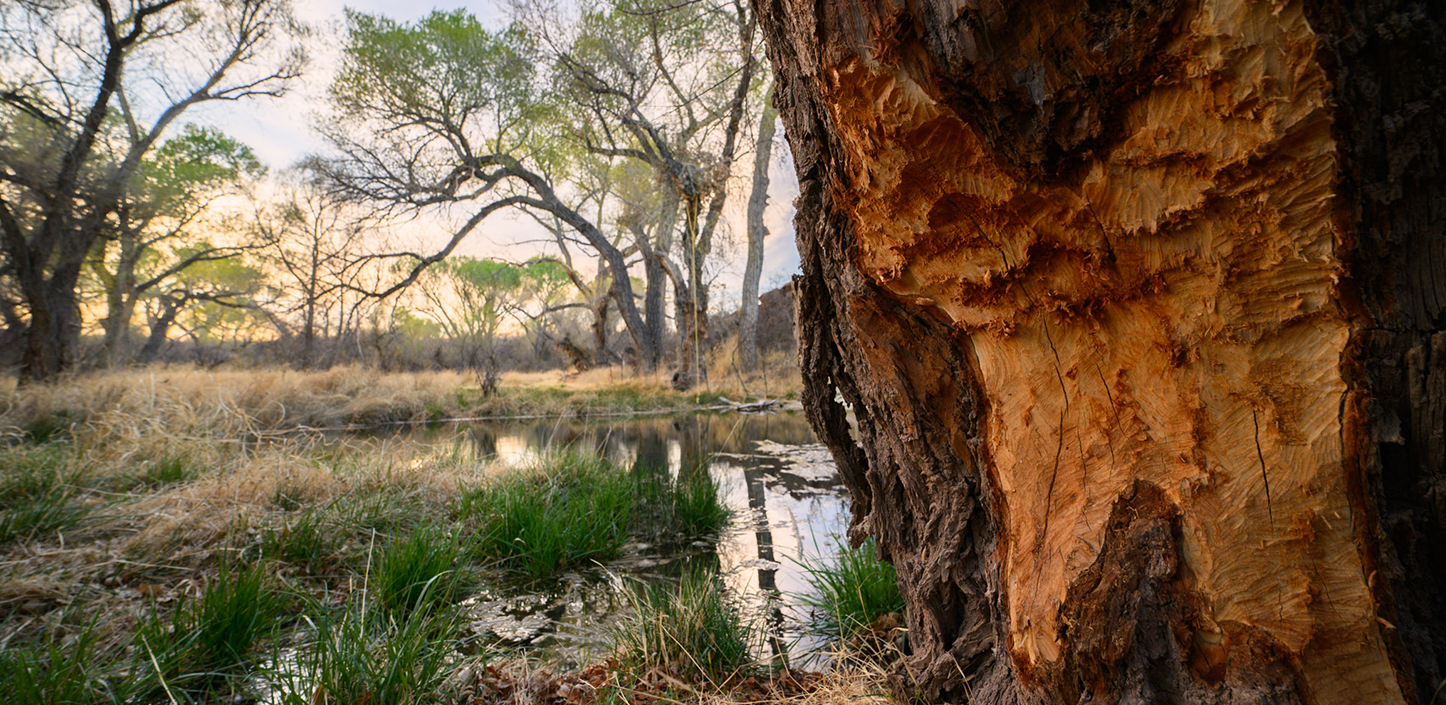
Signs of a beaver moving in. Photo credit: Julius Schlosburg / Watershed Management Group
Across the West, healthier streams are beginning to hold more water, wetlands are re-emerging, riparian vegetation is returning and wildlife habitat is improving. By channeling the remarkable abilities of nature’s most valuable “ecosystem engineer,” these restoration projects are helping create more resilient landscapes.
For beavers, the work comes naturally. For people and wildlife across the West, the benefits may last for generations.
Contributing Partners: Bezos Earth Fund, Bureau of Land Management, Cargill, Chevron, Colorado Department of Natural Resources, Gates Family Foundation, Great Outdoors Colorado, Nestle, Occidental, Terra Foundation, Trinchera Blanca Foundation, U.S. Fish and Wildlife Service, U.S. Forest Service, USDA Natural Resources Conservation Service, Walton Family Foundation