Farming for the Flyway in Louisiana
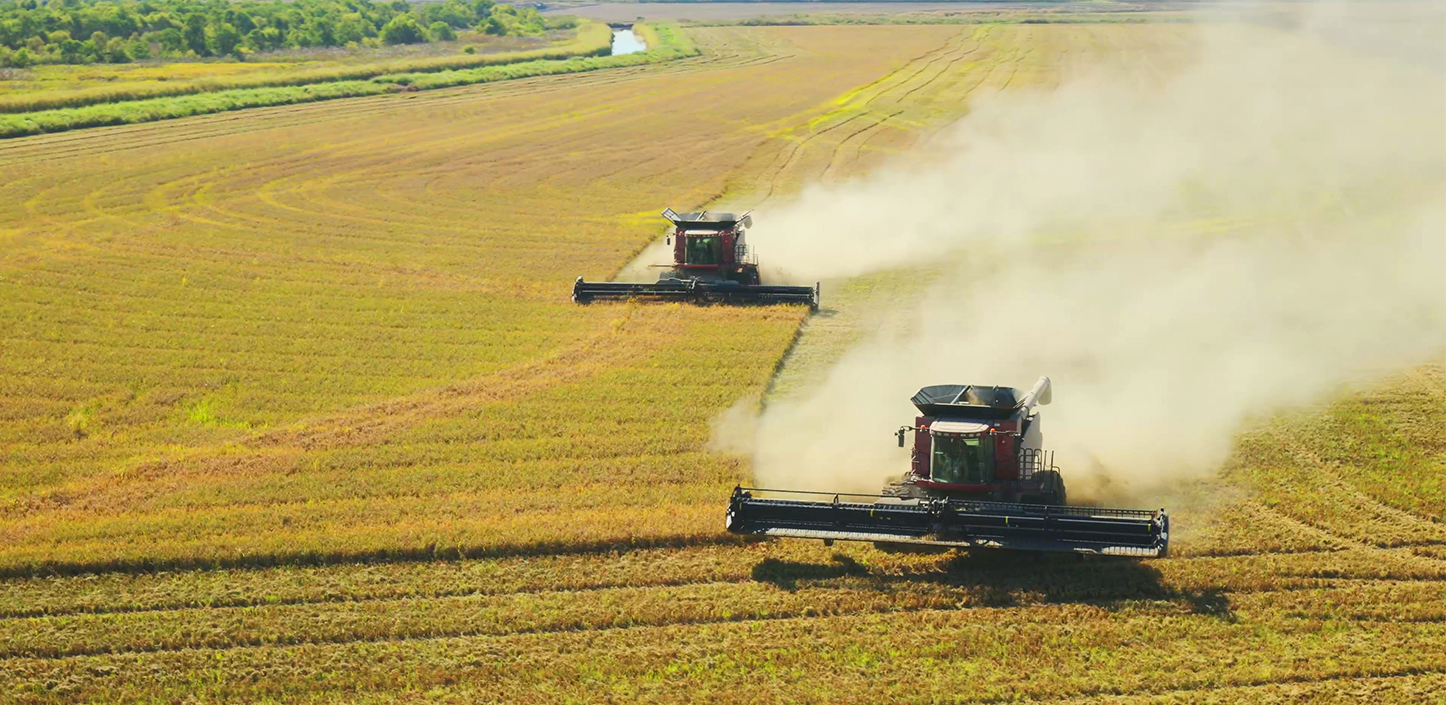
Rice fields do more than feed people—they help fuel one of nature's greatest journeys. Along major migratory flyways, flooded fields act as surrogate wetlands, offering critical resting and feeding grounds for shorebirds and waterfowl. In Louisiana, rice farmer Joseph Arcaneaux manages his fields in ways that benefit birds without disrupting his operation.
Because private land makes up 86 percent of the land area across the five Gulf states, meaningful conservation depends on engaging farmers and landowners like Arcaneaux. That's why the National Fish and Wildlife Foundation (NFWF) and the USDA Natural Resources Conservation Service (NRCS) have built a lasting collaboration in the Gulf Coast—working side by side to advance conservation on working lands in this vital region.
In 2014, the two organizations launched the Gulf Coast Ecosystem Restoration Partnership, combining NFWF's Gulf Environmental Benefit Fund (GEBF) with NRCS's Environmental Quality Incentives Program (EQIP) and Agricultural Conservation Easement Program (ACEP) to accelerate private lands conservation. This innovative approach funds complementary projects designed to leave lasting conservation legacies.
Together, the partnership is conserving land, improving water quality, restoring wetlands, and sustaining agricultural production—all in one of the country's most ecologically significant regions.
Watch to see how this work is making a real difference in the Gulf Coast.