Leaving the Land Better: Conservation on Texas Working Lands
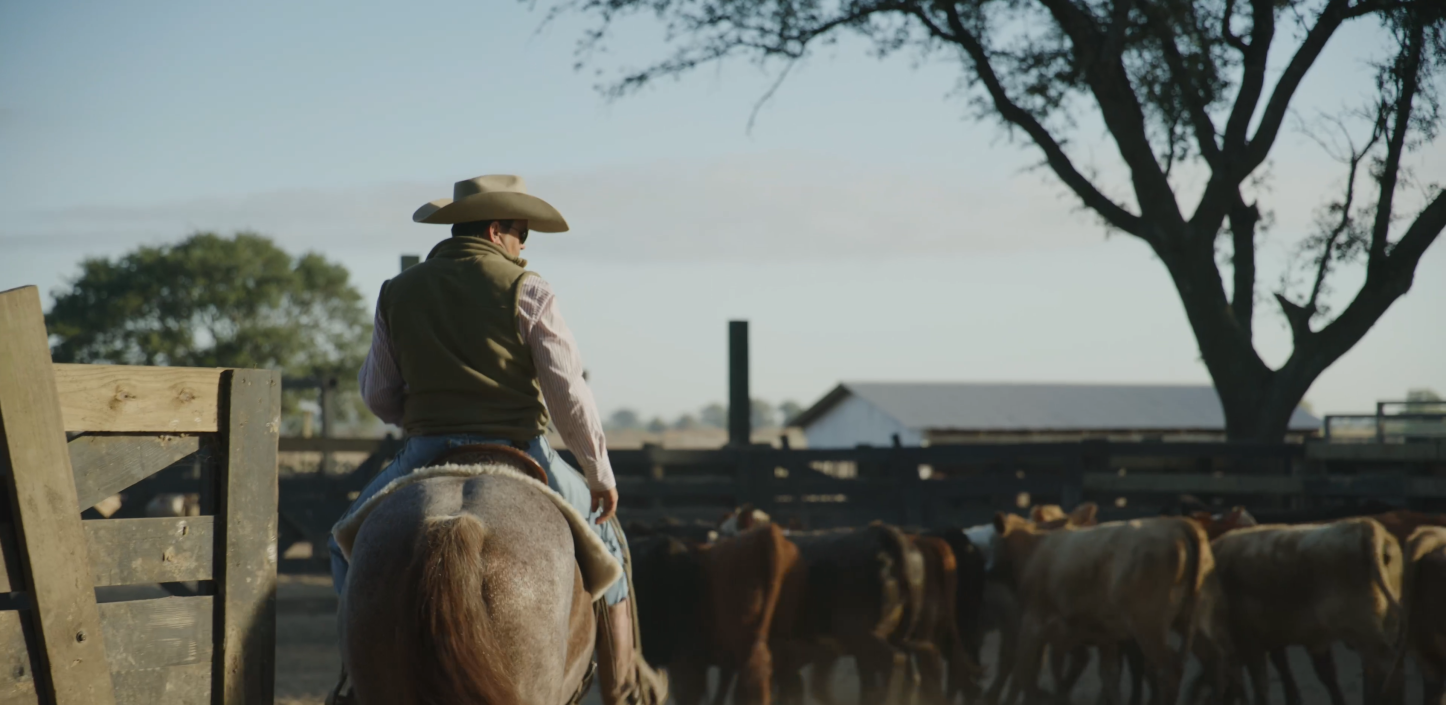
Caleb Cooper grew up east of Houston and found his way to ranching as soon as he could get there. For Caleb and landowners like him, agriculture provides economic livelihood as well as a commitment to the land. "Active landowners are gonna do what they can to leave the land better than how they found it," he says.
That commitment is at the heart of why NFWF and the USDA Natural Resources Conservation Service (NRCS) work to support landowners across the Gulf Coast — where private land makes up 86 percent of the total land area across five states. On Caleb's land, that support means a landscape still alive with coyotes, bobcats, ducks, and deer — wildlife that depends on working farms and ranches remaining in agricultural use rather than being converted to development.
The pressure is real. Much of the land surrounding Houston is sold for development each year, making the role of committed landowners — and the programs that support them — all the more critical. In 2014, NFWF and NRCS launched the Gulf Coast Ecosystem Restoration Partnership to meet that challenge directly, combining NFWF's Gulf Environmental Benefit Fund with NRCS's Environmental Quality Incentives Program and Agricultural Conservation Easement Program. This innovative approach funds complementary projects that conserve land, improve water quality, and restore wetlands — all while sustaining agricultural production across the region.