Harnessing AI to support wildlife and boost economic prosperity
To be truly successful, conservation efforts must balance the need to support and sustain wildlife with the need to ensure prosperity for local communities and the nation as a whole.
With every passing year, technological advances open new possibilities to do just that. The rapid development of artificial intelligence (AI) has created exciting new opportunities for our nation’s conservation community.
AI offers conservation practitioners new ways to understand complex systems and direct resources with a degree of precision that ensures unimpeded operations related to energy production, agriculture, housing, manufacturing and national defense.
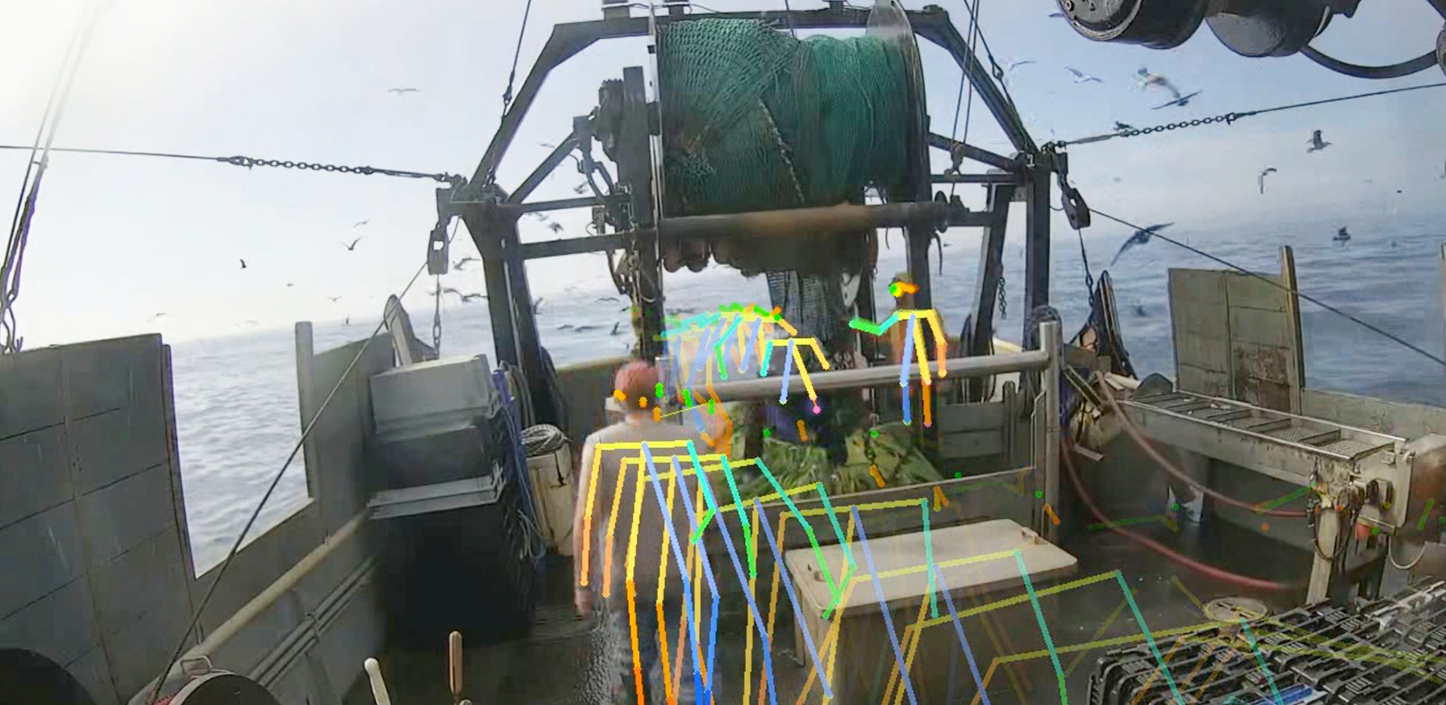
One of the best examples of how AI can help both wildlife and American prosperity can be found at the leading edge of fisheries management. Throughout 2025, NFWF played a critical role in advancing innovative technologies and practices aimed at reducing bycatch and creating efficiencies within the nation’s commercial fishing fleets and maritime industries.
In Alaska and elsewhere, NFWF grantees are developing and testing AI systems to classify fish species through video monitoring, significantly reducing cost and effort for commercial operators and fisheries managers.
Grantees working in Florida, Louisiana and Texas are integrating AI monitoring systems with satellite telecommunications for real-time data transmissions to support fisheries for red snapper and other reef fish.
Other grantees are working with the commercial scallop fleet in Northeastern states to train AI to identify various scallop reproductive stages, making required monitoring more cost-effective, accurate and efficient.
And in Massachusetts, a grantee is developing a fascinating AI system to track and classify calls of North Atlantic right whales and humpback whales collected by passive acoustic monitoring. This system could lead to more timely alert systems and help prevent collisions between vessels and whales.
The rapid rise of AI tools promises to revolutionize conservation efforts, on land as well as at sea.
Contributing Partners: National Oceanic and Atmospheric Administration, Shell USA, Walton Family Foundation
This story originally appeared in NFWF’s 2025 Annual Report.