Search
RFP Submission
Delaware Watershed Conservation Fund 2026 Request for Proposals
RFP GUIDANCE
NFWF is committed to operating in full compliance with all applicable laws, regulations, and Executive Orders.
Program
Hurricane Sandy Coastal Resiliency Competitive Grant Program
The Hurricane Sandy Coastal Resiliency Competitive Grant Program (Hurricane Sandy Program) was designed to restore key habitats and bolster natural systems, enabling them to withstand the impacts of future storms. The Program funded 78 projects in 12 states and Washington, D.C., with the bulk of projects in states hardest hit by the hurricane, including: New Jersey, New York, Connecticut, Delaware, Maryland, Massachusetts, New Hampshire, Ohio, Pennsylvania, Rhode Island, Virginia, West Virginia, and the District of Columbia. The Hurricane Sandy Program is no longer active. Applicants seeking grants for coastal resilience projects are encouraged to consider the National Coastal Resilience Fund, and NFWF’s regionally-focused coastal programs, including the Long Island Sound Futures Fund, Delaware Watershed Conservation Fund and Chesapeake Bay Stewardship Fund.Image
Program
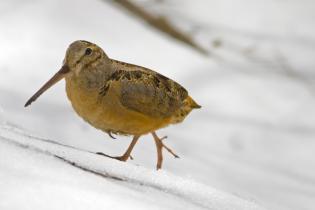
Partners for New Hampshire’s Fish and Wildlife
Partners for New Hampshire’s Fish and Wildlife is a partnership between Eversource and the National Fish and Wildlife Foundation dedicated to restoring and sustaining healthy forests and rivers in New Hampshire. Eversource, through its subsidiary Northern Pass Transmission LLC, has committed $3 million to the partnership. NFWF has committed an additional $1.5 million. These funds may be further leveraged by other public and private sources that are anticipated to flow to the program.Image
State and Local
Northwest Power and Conservation Council
The Northwest Power and Conservation Council develops and maintains a regional power plan and a fish and wildlife program for the Pacific Northwest.Image
RFP Submission
Northeast Forests and Rivers Fund 2025 Request for Proposals
RFP GUIDANCE
The National Fish and Wildlife Foundation (NFWF) is committed to operating in full compliance with all applicable laws, regulations, a
RFP Submission
Central Appalachia Habitat Stewardship Program 2025 Request for Proposals
RFP GUIDANCE
The National Fish and Wildlife Foundation (NFWF) is committed to operating in full compliance with all applicable laws, regulations, a
Program
Klamath Coho Habitat Restoration Program (Bureau of Reclamation)
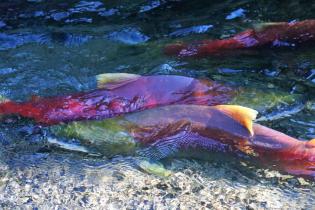
The U.S. Bureau of Reclamation’s (Reclamation) Klamath River Coho Restoration Program (Klamath Program) enhances the survival and recovery of the Southern Oregon/Northern California Coast (SONCC) coho salmon (Oncorhynchus kisutch), a species listed as “threatened” under the Federal Endangered Species Act and its critical habitat within the mainstem Klamath River and its tributaries between Bogus Creek and the mainstem Salmon River.Image
Program
Trinity River Restoration Program (Bureau of Reclamation)
The Trinity River Restoration Program (Trinity Program) is a partnership with the U.S. Bureau of Reclamation (Reclamation) to support local and regional on-the-ground actions that reduce fine sediment delivery or improve habitat connectivity in degraded watersheds in the Trinity Basin.Image
Program
America’s Ecosystem Restoration Initiative
Intended to streamline grant funding opportunities for voluntary conservation and restoration projects around the United States, the America’s Ecosystem Restoration Initiative consolidates funding from multiple federal agencies and the private sector to enable applicants to develop and implement projects that address shared funder priorities and span public, private, and Tribal lands.Image
Program
Klamath Basin Restoration Program
NFWF has been active in conservation activities throughout the Klamath Basin for 30 years, awarding funds to help stabilize and increase populations of native and anadromous fish. These projects have been carried out by diverse organizations and entities including local, state, federal, and tribal governments and agencies, non-profit organizations, irrigation districts, watershed councils, and academic institutions.Image