Search
Landscape
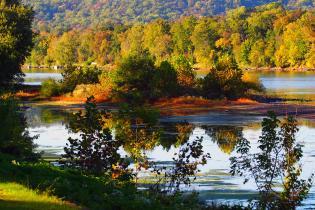
Delaware River Watershed
The Delaware River is internationally recognized for its exceptional ecologically and historically significant sites.
Image
Landscape
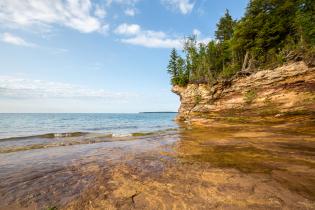
Great Lakes
Containing more than 20 percent of the earth’s surface freshwater, the Great Lakes provide drinking water for more than 30 million people and habitat for a v
Image
Landscape
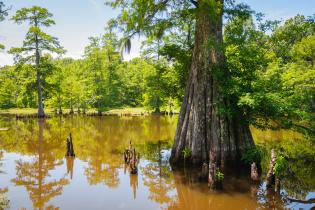
Lower Mississippi Alluvial Valley
The Lower Mississippi Alluvial Valley is the nation’s largest floodplain, covering more than 24 million acres across portions Arkansas, Illinois, Kentucky, L
Image
Page
Mitigation Funds
Many different state and federal laws protecting the environment and natural resources require entities to apply for and secure permits, licenses, and other governmental approvals as a condition of undertaking certain activities. For example, there are various federal and state laws that apply to the protection of wetlands and threatened or endangered species, among them the federal Clean Water Act (CWA, codified at 33 U.S.C. §1251 et seq.) and the federal Endangered Species Act (ESA, codified at 16 U.S.C. §1531 et seq.).Image
Page
Contact NFWF
The National Fish and Wildlife Foundation conserves our nation's fish, wildlife, plants and habitats for current and future generations.
Landscape
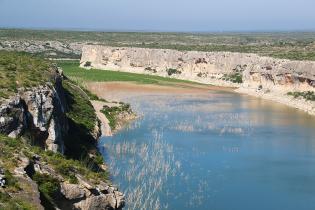
Southwest Rivers
In the southwestern United States, streams and their riparian habitats have a disproportionate impact on wildlife, with 70 percent of threatened and endanger
Image
Landscape
Longleaf Forests and Rivers
The southeastern United States contains some of the most biologically diverse and economically important forest and freshwater systems in the world.
Image
Landscape
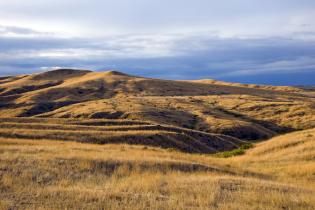
Northern Great Plains
Stretching from the foothills of the Rockies into the badlands of the Dakotas and Nebraska, the Northern Great Plains cover over 180 million acres. The landscape is characterized by expansive grasslands supporting a unique assemblage of wildlife adapted to require little or no disturbance to sustain their populations.Image